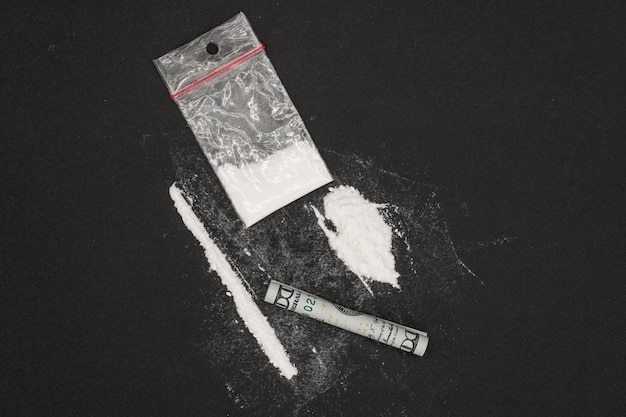
Language often hides more than it reveals. In the United Kingdom, illegal drugs are frequently discussed using coded words that sound ordinary in daily conversation. Understanding Slang for Cocaine UK helps families, educators, and communities recognize these hidden references and respond with awareness rather than confusion. Behind casual street terms lies a substance linked to serious health, legal, and social consequences.
This article explores the meaning behind common cocaine slang in the UK, why such language evolves, and why awareness matters in today’s digital age.
The Meaning Behind Cocaine Street Names
Cocaine slang exists to disguise conversations and avoid detection. In the UK, the most common street names include “coke,” “charlie,” “snow,” “white,” and “powder.” These terms may appear harmless when read in a message or heard in conversation, but context often reveals their real meaning.
“Charlie” is especially popular in England and Wales. “Snow” and “white” reference the powder’s appearance. “Coke” is a shortened version widely recognized across the country. Because some slang words overlap with everyday language, it can be difficult to identify drug references without understanding the situation.
Slang terms also vary by region. What is common in London may differ from terminology used in Scotland or Northern Ireland. This variation adds another layer of complexity.
Why Slang Evolves So Quickly
Drug slang constantly changes to stay ahead of authorities and social awareness campaigns. As soon as a term becomes widely recognized, new coded words replace it. Social media, music culture, and online messaging apps accelerate this process.
Young people, in particular, adapt slang rapidly. Encrypted platforms and private group chats allow coded communication to spread quickly. This fast evolution makes ongoing education essential for parents and educators.
Understanding the language does not mean assuming wrongdoing. Instead, it provides context for informed discussions and proactive prevention.
The Health Risks Behind Casual Language
Cocaine is a powerful stimulant that directly impacts the brain and cardiovascular system. It increases dopamine levels, creating short bursts of euphoria. However, it also raises heart rate and blood pressure, increasing the risk of heart attacks and strokes.
Short-term effects can include anxiety, paranoia, insomnia, and aggressive behavior. Long-term use may lead to addiction, mental health disorders, and severe physical damage. Public health reports show that Cocaine Deaths uk have risen in recent years, reflecting growing concerns about drug purity and toxic mixtures.
These statistics highlight a clear reality: slang terms may sound casual, but the risks are far from harmless.
Legal Implications in the United Kingdom
Under the Misuse of Drugs Act 1971, cocaine is classified as a Class A drug. Possession alone can result in up to seven years in prison. Supplying or producing cocaine carries even more severe penalties, including life imprisonment.
A criminal conviction for drug-related offenses can impact employment opportunities, travel visas, and educational prospects. Legal consequences extend far beyond immediate penalties, affecting long-term life outcomes.
Despite strict laws, cocaine remains one of the most commonly seized Class A substances in the UK. Slang and coded conversations contribute to its continued presence in social environments.
Slang for Cocaine UK: A Growing Awareness Challenge
Slang for Cocaine UK continues to shift alongside cultural trends. Words that once sounded unusual can quickly enter mainstream conversation. Music lyrics, online memes, and influencer culture often reference slang casually, which may reduce perceived risk among younger audiences.
Awareness campaigns now focus on identifying hidden language patterns as part of prevention strategies. Schools increasingly include drug education sessions that explain both the health risks and the coded vocabulary associated with substance misuse.
Community awareness empowers individuals to recognize potential warning signs early. Open dialogue remains one of the strongest tools for prevention.
Recognizing Warning Signs Without Jumping to Conclusions

Hearing slang does not automatically confirm drug use. Context is key. A conversation mentioning “snow” during winter, for example, may be completely innocent. However, repeated use of coded terms in suspicious contexts may warrant calm discussion.
Approaching the topic with curiosity rather than accusation helps maintain trust. Encouraging honest conversations creates space for individuals to ask questions and seek support if needed.
Professional resources such as NHS drug support services and licensed addiction treatment centers offer confidential guidance for anyone concerned about cocaine misuse.
Prevention Through Education and Communication
Education reduces myths and misconceptions. Cocaine is sometimes portrayed as a “party drug” with minimal risk, but data and medical research tell a different story. Addiction, mental health challenges, and cardiovascular damage are serious consequences that cannot be ignored.
Families and schools that prioritize education and communication create protective environments. Awareness of slang terms is one small but important step in a larger prevention strategy.
Conclusion
Understanding Slang for Cocaine UK is not about curiosity; it is about awareness, prevention, and safety. Street names such as “charlie,” “coke,” or “snow” may appear casual, yet they represent a substance associated with severe health risks and rising fatalities. Increasing cocaine-related deaths in the UK emphasize the importance of informed conversations. By staying educated, encouraging open dialogue, and seeking professional support when needed, communities can reduce harm and promote safer futures.
Frequently Asked Questions
1. What does “charlie” mean in UK slang?
“Charlie” is one of the most common slang terms used in the UK to refer to cocaine.
2. Are cocaine-related deaths rising in the UK?
Yes. Recent public health data indicates an increase in cocaine-related fatalities due to higher purity levels and dangerous combinations with other substances.
3. How can someone seek help for cocaine misuse?
They can contact NHS drug support services, speak to a GP, or consult licensed addiction treatment providers for confidential assistance.