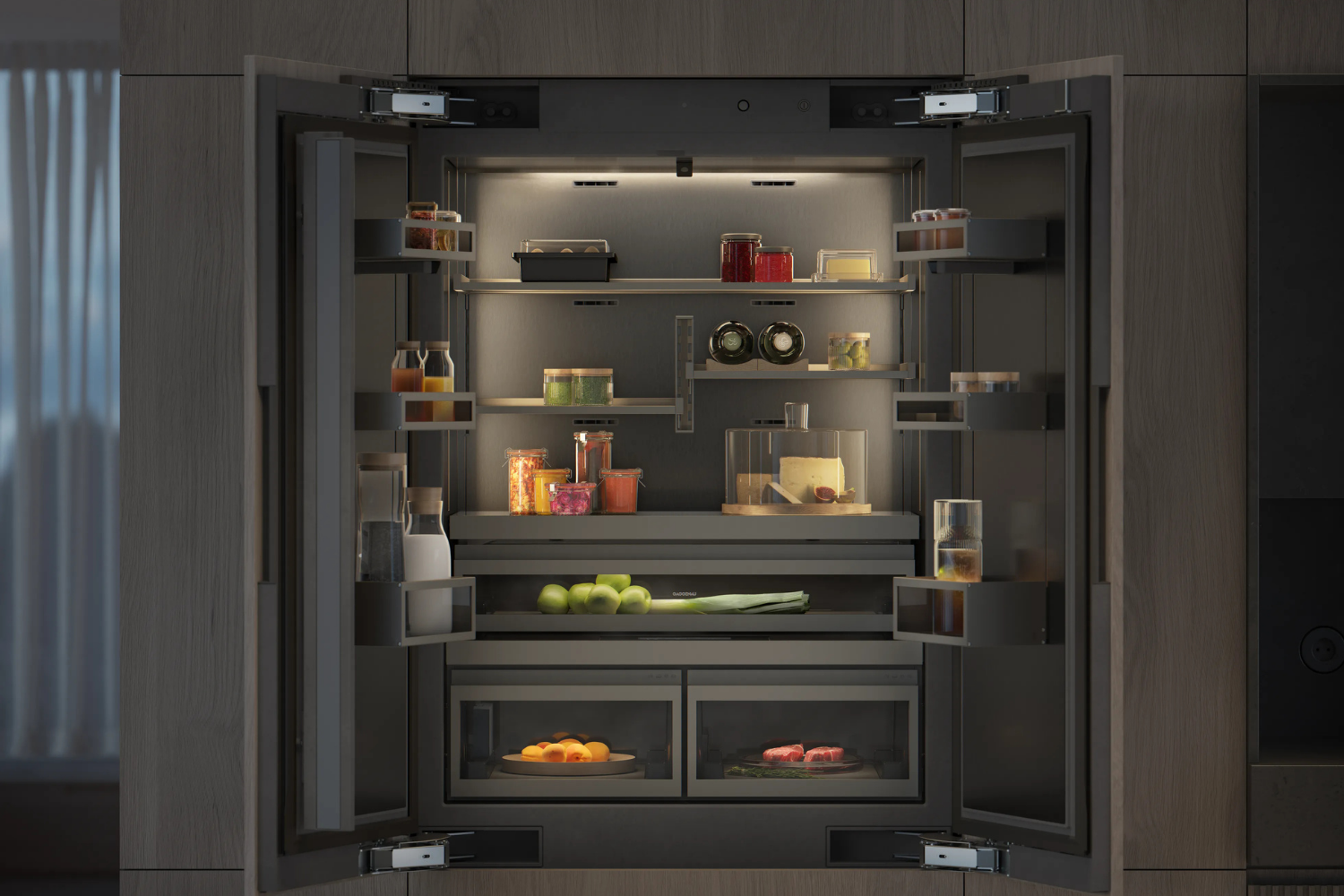
Maintaining proper refrigerator organization is one of the most effective ways to preserve food quality, reduce waste, and improve daily kitchen efficiency. A well-organized refrigerator helps maintain consistent temperatures, supports food safety, and makes meal preparation easier. When items are stored correctly, air circulates more efficiently, freshness lasts longer, and hidden spoilage is less likely to occur. Many households overlook the importance of organization, yet small adjustments in storage habits can significantly improve food preservation and appliance performance.
Modern refrigerators are designed to support optimal cooling, but their efficiency depends heavily on how items are arranged inside. From produce drawers to door shelves, every section has a purpose. Understanding how to use these spaces correctly allows homeowners to maximize freshness while reducing unnecessary energy use.
The Importance of Proper Refrigerator Organization
Effective refrigerator organization plays a vital role in maintaining food safety and preventing contamination. When raw foods, cooked meals, and fresh produce are stored randomly, bacteria can spread easily, increasing the risk of illness. Organized storage reduces this risk by separating food categories and creating clear visibility.
Proper arrangement also helps maintain consistent cooling. When airflow is blocked by overcrowded shelves or improperly stacked items, temperature fluctuations occur. These fluctuations shorten shelf life and place extra strain on the cooling system. Organized spacing supports smooth air circulation and stable internal conditions.
Beyond safety and efficiency, organization saves time. When items are easy to locate, meal planning becomes simpler and unnecessary duplicate purchases are avoided.
Understanding Refrigerator Zones and Storage Areas
Every refrigerator contains multiple temperature zones designed for specific food types. Learning how these areas function improves refrigerator organization and enhances freshness.
Upper shelves usually maintain stable temperatures and are ideal for leftovers, drinks, and ready-to-eat foods. Middle shelves are suitable for dairy products and prepared meals. Lower shelves remain colder and should store raw meats in sealed containers to prevent leaks. Crisper drawers regulate humidity and protect fruits and vegetables from premature dehydration.
Using Door Shelves Effectively
Door shelves experience frequent temperature changes and are best suited for condiments, sauces, and beverages. Placing sensitive items such as milk or eggs in this area can lead to faster spoilage. Understanding this distinction helps preserve quality and reduces waste.
Creating a Consistent Organization System
Consistency is the foundation of successful refrigerator organization. Developing a system that assigns specific areas for different food groups ensures that items remain in their proper place. This approach improves visibility and reduces clutter.
Clear storage containers, labeled sections, and uniform stacking methods contribute to long-term organization. Transparent bins allow quick identification of contents, while labeled sections support shared household routines. Regularly resetting shelves after grocery shopping maintains order and prevents overcrowding.
A consistent system also makes cleaning easier, as spills and expired items are detected quickly.
Protecting Freshness Through Smart Storage Practices
Food freshness depends not only on temperature but also on proper packaging and placement. Airtight containers prevent moisture loss and block odors from spreading. Wrapping produce correctly preserves texture and flavor.
Proper sealing of refrigerator doors is equally important. A worn or damaged refrigerator gasket allows cold air to escape, forcing the appliance to work harder and causing internal temperature instability. Maintaining a clean and flexible gasket supports consistent cooling and protects stored items from premature spoilage.
Managing Humidity for Produce
Fruits and vegetables require balanced humidity levels. Leafy greens benefit from higher moisture, while root vegetables prefer drier conditions. Adjusting drawer settings and separating incompatible produce types improves shelf life and reduces mold growth.
Preventing Overcrowding and Improving Airflow
Overloading shelves is one of the most common mistakes in refrigerator organization. When items are packed tightly together, cold air cannot circulate properly. This creates warm pockets where bacteria can grow and food deteriorates faster.
Leaving small gaps between containers allows airflow to distribute evenly. Organized spacing also reduces pressure on cooling components and improves overall efficiency. A less crowded refrigerator operates more smoothly and consumes less energy.
Regularly removing expired or unused items helps maintain proper capacity and prevents unnecessary clutter.
Cleaning and Maintenance for Long-Term Organization
Cleanliness supports both organization and food safety. Spills, residue, and condensation encourage bacterial growth and unpleasant odors. Regular cleaning preserves hygiene and improves storage conditions.
Removing shelves and drawers for periodic washing prevents buildup. Wiping interior surfaces with mild cleaners eliminates contaminants. Maintaining cleanliness around seals and vents also improves cooling efficiency.
A clean refrigerator promotes better organization because surfaces remain visible and storage areas stay functional.
Establishing Weekly Organization Habits

Sustainable refrigerator organization requires consistent habits. Weekly reviews allow homeowners to discard expired items, rearrange misplaced containers, and refresh storage zones. This routine prevents long-term disorder and supports continuous freshness.
Planning meals in advance also supports organization. Knowing what will be used soon helps prioritize placement and prevents forgotten leftovers. Organized meal planning reduces waste and improves grocery budgeting.
Coordinating Family Participation
In shared households, cooperation strengthens organization efforts. Teaching family members where items belong and encouraging routine maintenance ensures long-term success. Shared responsibility keeps systems functioning smoothly.
Supporting Energy Efficiency Through Organization
Proper refrigerator organization contributes directly to energy efficiency. When airflow remains unobstructed and temperature stability is maintained, compressors operate less frequently. This reduces electricity consumption and extends appliance lifespan.
Organized refrigerators also minimize door opening time. When items are easy to locate, users spend less time searching, reducing heat exposure. This simple habit supports both freshness and sustainability.
Efficient organization benefits both household budgets and environmental responsibility.
Choosing the Right Tools for Better Organization
Modern storage accessories can enhance refrigerator organization when used thoughtfully. Adjustable shelves, stackable containers, and drawer dividers help customize space. However, excessive accessories can create clutter if not managed carefully.
Selecting tools that match refrigerator size and household needs improves usability. Lightweight, washable containers and flexible dividers offer long-term convenience without overcrowding.
The goal is to support functionality rather than complicate storage.
Conclusion
Effective refrigerator organization is essential for maintaining food freshness, improving safety, and supporting appliance efficiency. By understanding storage zones, creating consistent systems, managing airflow, and practicing regular maintenance, homeowners can significantly extend the life of their groceries and reduce waste. Attention to details such as packaging, cleanliness, and gasket condition further strengthens preservation efforts.
A well-organized refrigerator simplifies daily routines, lowers energy costs, and promotes healthier eating habits. With thoughtful planning and consistent habits, refrigerator organization becomes a powerful tool for maximizing freshness and long-term kitchen efficiency.